search search
down black circle arrow down yellow circle arrow

Wisdom teeth removal is a common dental procedure to extract the third molars, often due to impaction, pain, or potential future problems.

The procedure can range from simple extractions to more complex surgical removals, depending on the tooth’s position and eruption status.

What are wisdom teeth?

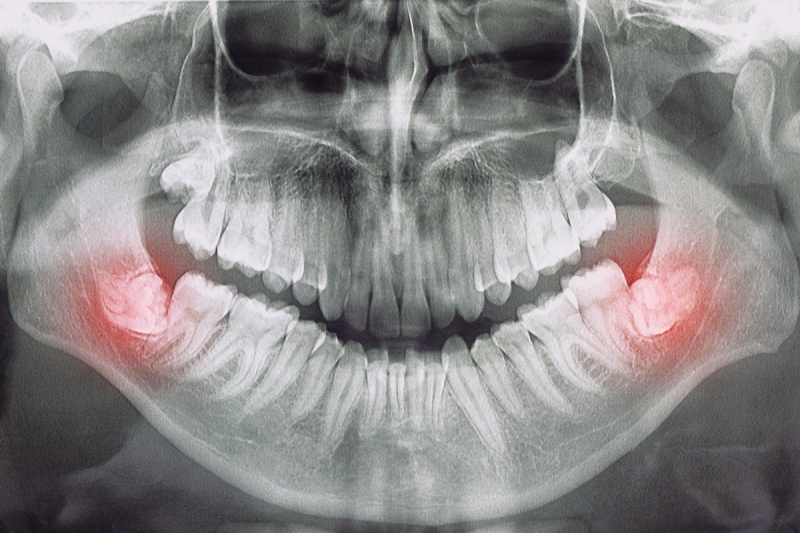
Also known as third molars, they are the last set of molars to emerge, typically appearing between the ages of 17 and 25. They are not always problematic, but often they don’t have enough space to fully erupt or grow properly, leading to various issues.
down black circle arrow down yellow circle arrow

CONTACT

Get in touch

When is Wisdom Teeth Removal Necessary?

Impaction:

Wisdom teeth can become impacted, meaning they are trapped under the gum or bone and cannot fully emerge. This can cause pain, infection, and damage to neighbouring teeth.

Pain and Discomfort:

Impacted or misaligned wisdom teeth can cause persistent pain, jaw stiffness, and headaches.

Infection:

Impacted wisdom teeth create a space where bacteria can accumulate, leading to infections (pericoronitis).

Crowding and Misalignment:

Wisdom teeth can push other teeth out of alignment, affecting the bite and potentially requiring orthodontic treatment.

Cyst or Tumour Formation:

In rare cases, cysts or tumours can develop around impacted wisdom teeth.

What does the procedure involve?

1. Assessment and Planning:

A dentist or oral surgeon will take X-rays /CBCT (3d scan) to assess the position and development of the wisdom teeth. They will determine the best course of action, whether it’s a simple extraction or a surgical removal.

2. Anaesthesia:

Local anaesthesia is used to numb the area. Sedation or general anaesthesia may be used for more complex cases or patient anxiety.

3. Extraction Simple/Surgical:

  • Simple Extraction: For erupted wisdom teeth, the dentist will loosen the tooth and remove it from the socket.
  • Surgical Removal: If the tooth is impacted, the dentist may need to make a small incision in the gum, remove some bone, and potentially section the tooth to remove it.

4. Sutures and Healing:

Stitches may be used to close the gum, and dissolvable stitches are often used.
Care

Treatment Care

Post-operative care instructions:

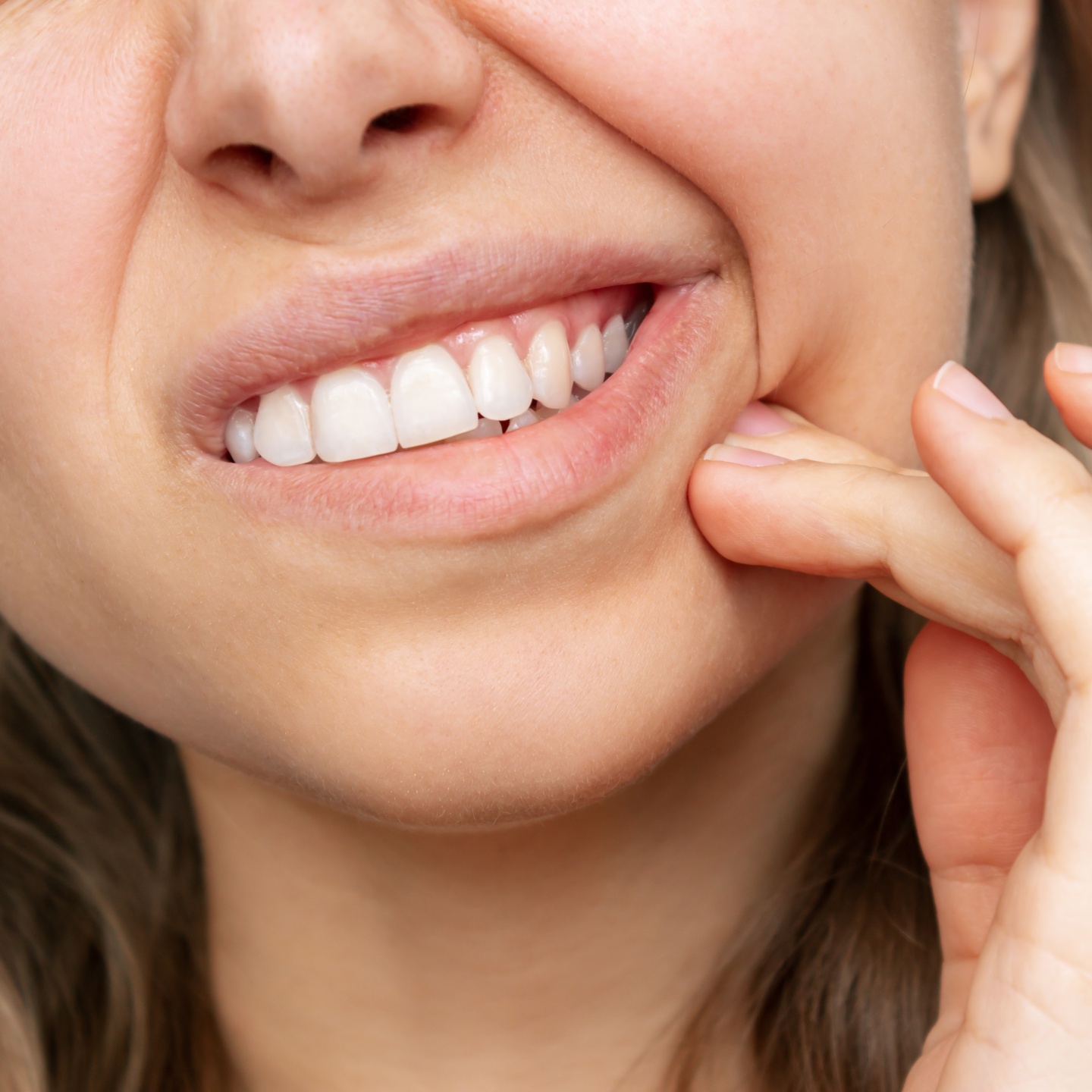
  • Pain and Swelling: Expect some pain, swelling, and bruising. Pain medication and ice packs can help manage these symptoms.
  • Diet: Stick to a soft food diet for the first few days, gradually reintroducing more solid foods as comfort allows.
  • Oral Hygiene: Gently rinse with warm salt water after meals to keep the area clean. Avoid using a straw, as it can dislodge blood clots.
  • Bleeding: Some bleeding is normal, but if it’s excessive, bite down firmly on gauze and contact your dentist or surgeon.
  • Infection: Watch for signs of infection (increased pain, swelling, fever) and contact your dentist if you suspect an infection.

Book This Treatment Back to Oral surgery
Bridge Dental

General dentistry

Align your smile with confidence

Learn More

Cosmetic dentistry

Enhancing your smile’s appearance

Learn More

Teeth straightening

Focused on your dental needs

Learn More

Dental implants

Freedom to chew, the life-changing power of dental implants

Learn More

Advanced gum cleaning

Caring for your overall health

Learn More

Oral surgery

Restoring comfort and confidence through surgery

Learn More

General dentistry

Align your smile with confidence

Learn More

Cosmetic dentistry

Enhancing your smile’s appearance

Learn More

Teeth straightening

Focused on your dental needs

Learn More

Dental implants

Freedom to chew, the life-changing power of dental implants

Learn More

Advanced gum cleaning

Caring for your overall health

Learn More

Oral surgery

Restoring comfort and confidence through surgery

Learn More

CONTACT US

Get in touch

instagram instagram Instagram

View on Instagram
4.8
Google-review